

Benefits of Pedal Toys for Kids
Benefits of Pedal Toys for Kids
Key Takeaways
-
Pedal toys like pedal cars, go karts, tricycles, and tractors deliver a complete workout for children aged roughly 2½ to 8 years, building leg strength, balance and coordination, and cardiovascular fitness in a way that feels like pure fun rather than exercise.
-
Beyond boosting physical skills, pedal powered toys sharpen cognitive development through constant decision-making, problem solving skills, and cause-and-effect learning as children navigate routes, control speed, and master braking.
-
Imaginative play thrives when children become “delivery drivers,” “race car champions,” or “farmers on tractors,” feeding creativity, language development, and emotional confidence alongside physical development.
-
Choosing the right ride on toy for your child’s age, size, and developmental stage—with safety features like adjustable seats, enclosed chains, and stable frames—maximises both enjoyment and long-term value.
-
Pedal toys support both independent play and group play, helping children develop valuable social skills like turn-taking, cooperation, and early traffic awareness in a safe, controlled environment.
Developmental Benefits of Pedal Toys
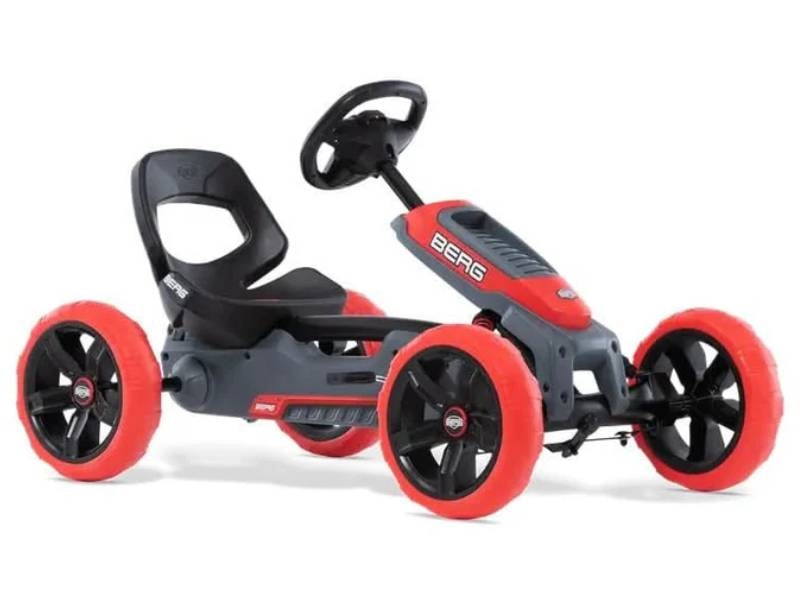
Pedal toys sit at a unique intersection of physical exercise, cognitive challenge, and social play. Unlike passive ride ons or electric ride on toys where a motor does the work, pedal powered toys require children to generate their own motion—pushing, steering, and braking with their own bodies. This active engagement makes them powerful tools for whole-child development across physical, cognitive, social, and emotional dimensions.
The category includes pedal cars, Berg go karts, pedal tractors, and tricycles. What they all share is self-propelled movement under the child’s control. Research supporting active play and outdoor movement—including WHO guidelines recommending at least 180 minutes of physical activity per day for children aged 3–5—confirms that this kind of movement matters for healthy development. Pedal play can contribute substantially to meeting those goals.
Consider a 4-year-old navigating a fire-engine pedal car around garden cones, or a 6-year-old staging impromptu races with friends on matching pedal go karts. These scenarios combine physical exercise, problem solving abilities, and social interaction into a single, engaging activity. The sections below break these benefits down into physical skills, cognitive and emotional growth, and social and independent play.
Enhancing Motor Skills
Pedal toys engage the body’s large muscle groups repeatedly and rhythmically, making them a natural way to build fitness without structured “exercise sessions.” The continuous push-pull motion of pedaling works quadriceps, hamstrings, calves, and core muscles simultaneously. For children aged 3–7, this builds endurance and power similar to cycling—but at lower speeds and with greater stability.
Key physical benefits include:
Pedal toys offer a wide range of physical benefits that support children’s overall development. By combining movement, balance and coordination, these toys help strengthen the body while keeping playtime engaging and active. Key physical benefits include:
-
Leg strength – Repeated pedalling against gentle resistance helps build strength in the quadriceps, hamstrings and calves, supporting healthy lower-body development.
-
Core stability – Maintaining an upright position while moving engages the abdominal and back muscles, improving balance and posture.
-
Hand–eye coordination – Steering while pedalling requires children to coordinate visual input with precise arm movements, enhancing coordination skills.
-
Gross motor skills – Using legs, arms and torso at the same time promotes full-body coordination and improves overall motor control.
-
Fine motor skills – Gripping handlebars or steering wheels helps refine hand control and strengthens smaller muscle groups in the hands and fingers.
Controlling a steering wheel or handlebars while pedaling develops bilateral coordination—using both sides of the body together. When children navigate around cones, garden furniture, or park paths, they’re refining essential motor skills that transfer to cycling, ball sports, and everyday activities.
Balance and postural control also benefit significantly. Children must sit upright and adjust their body position when turning, accelerating, or encountering small bumps. This supports better posture and lays a solid foundation for later physical skills like bike riding and team sports.
Outdoor pedaling—whether in driveways, cul-de-sacs, or parks—elevates heart rate and contributes to heart and lung function. Even 10–15 minutes of enthusiastic pedaling counts as moderate physical activity and supports healthy weight management.
Promoting Cognitive and Emotional Growth
When children drive a pedal toy, they’re constantly making decisions. How fast should I go? Which way do I turn? When should I brake? This ongoing stream of choices strengthens planning, cognitive development, and decision making skills in ways that feel like play rather than learning.
Cognitive benefits of pedal play:
-
Cause and effect understanding: Turning the steering wheel changes direction. Pedaling faster increases speed. Braking slows them down. Children internalise these relationships through direct experience.
-
Problem solving skills: Navigating around obstacles, figuring out turning radius, and adjusting to different surfaces (grass versus pavement) all require creative thinking.
-
Spatial awareness: Children develop spatial awareness by learning how much room they need to turn, how to judge distances, and how to navigate space effectively.
-
Attention and focus: Successful pedaling requires sustained concentration on the path ahead and quick reactions to changes.
Boosting Social and Independent Play
Pedal toys work beautifully for both solo exploration and group play. A child can spend half an hour doing peaceful laps around the garden, building autonomy and quiet confidence. Or they can join siblings and friends for races, cooperative delivery games, or elaborate traffic scenarios.
Social skills developed through pedal play:
-
Turn-taking when sharing a single pedal fire truck or go kart
-
Negotiation when setting up “roads” with chalk lines or deciding race rules
-
Cooperation when creating group games or helping a younger child learn
-
Communication when coordinating movements or staging impromptu races
Group pedal play naturally introduces early traffic sense. Children learn to watch out for others, respond to simple “stop/go” signals, and respect boundaries set by adults. These teach valuable social skills and concepts of shared space that transfer to real-world situations.
Independent pedaling—especially for children around 4–6 years—nurtures autonomy. When a child chooses their own route, decides their own speed, and navigates within safe limits, they experience genuine agency. This builds confidence and self-reliance in ways that adult-directed activities cannot replicate.
For shy children, riding side-by-side on pedal toys can reduce social pressure. The shared experiences foster friendships without requiring face-to-face conversation. Having something concrete to do together makes interaction easier and more natural.
Types of Pedal Toys and Their Specific Advantages
Not all pedal toys are the same. Pedal cars, go karts, tractors, and tricycles each suit different ages, outdoor spaces, and personalities. Understanding these differences helps you choose the appropriate ride on toy for your child’s developmental stage and interests.
The examples below are illustrative rather than endorsements. Well-known brands like BERG, Hauck, and Baghera offer quality options, but the features to look for—adjustable seats, sturdy frames, enclosed chains—matter more than specific brand names.
Pedal Cars
Pedal cars are low-to-the-ground vehicles shaped like classic automobiles, fire engines, police cars, or racing vehicles. They’re ideal for children roughly 3–6 years old who are gaining confidence with pedaling and steering.
Why pedal cars work well for younger children:
-
The enclosed design and lower speed make them feel secure for beginners
-
Low centre of gravity reduces tipping risk
-
Themed designs (red fire engines with bells, 1950s roadsters, police cars with decals) naturally encourage role play
-
Many ride on toys offer adjustable seats and rubber tyres, extending usability across several years
Families with limited outdoor space can choose compact, lightweight pedal cars that work on smooth patios or even indoor play areas with protective floor mats. The stability and control make them confidence-builders for children just learning what their legs can do.
Pedal Go-Karts
Pedal go karts are open-frame vehicles with a low racing seat, four wheels, and a steering wheel. Best suited to ages around 4–8 depending on size and design, they appeal to energetic kids who crave speed and challenge.
Go-karts include several distinctive features that set them apart from other pedal toys, offering both practical advantages and valuable learning opportunities for children. Key features include:
-
Handbrakes – Help children learn braking control while developing safety awareness and responsible riding habits.
-
Freewheel systems – Allow children to coast without the need for continuous pedalling, making rides smoother and less tiring.
-
Inflatable off-road tyres – Enable use on a variety of surfaces such as grass, gravel and park paths, increasing versatility and outdoor play options.
-
Adjustable frames – Extend the usable life of the go-kart, allowing it to grow with the child from around age 4 up to 8 years and beyond.
Go-karts promote more vigorous physical exercise than many pedal cars. The higher speeds and responsive handling make obstacle courses and races genuinely exciting. For families with larger gardens or access to quiet cul-de-sacs and park paths, a sturdy go-kart can provide years of active play.
Pedal Tractors and Construction-Themed Toys
Pedal tractors and diggers are heavier, stable ride ons styled like farm or construction vehicles. Many include functional attachments—trailers, front loaders, excavator arms—that add play value and physical challenges.
What makes pedal tractors unique:
-
Particularly attractive to children interested in farming, building, or outdoor “work” (ages 3–7)
-
Attaching and loading trailers, tipping buckets, and lifting toy logs adds upper-body work and fine motor skills practice
-
Slower, steadier pedaling encourages strength building and extended imaginative play sessions
-
Wide wheelbases and covered chains improve stability and safety
These toys thrive in gardens and sandpits where children can create elaborate scenarios—harvesting imaginary crops, hauling sand for construction projects, or delivering supplies across the yard.
Tricycles and First Pedal Bikes
Tricycles and small first pedal bikes (typically 12–14 inch wheels with training wheels) serve as ideal step-up options for younger children around 2½–5 years.
Comparing entry-level options:
When comparing entry-level ride-on options, different designs suit different age groups and developmental needs. Each type offers a specific advantage depending on a child’s stage and confidence level. Key options include:
-
Tricycles – Best suited for children aged around 2½ to 4 years, tricycles offer maximum stability and are ideal for introducing the basic concept of pedalling.
-
First pedal bikes with training wheels – Designed for children aged 3 to 5 years, these models help build leg strength while gradually developing balance and cycling confidence.
-
Models with parent push handles – Suitable for children aged 2 to 4 years, these options allow adults to assist with steering and movement when children become tired, ensuring longer and more enjoyable outings.
How Pedal Toys Support Physical Fitness and Health
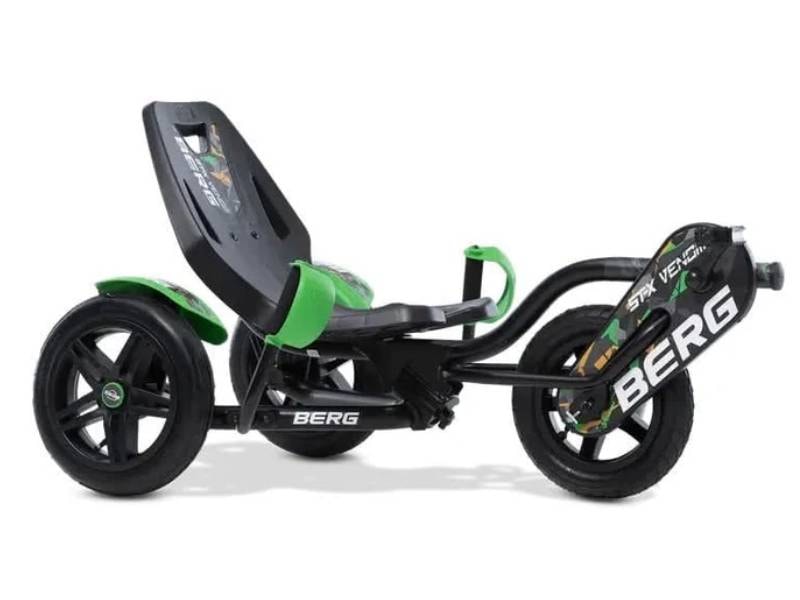
Children aged 5–17 need at least 60 minutes of moderate-to-vigorous physical activity daily. For younger children aged 3–5, guidelines recommend 180 minutes of total physical activity throughout the day. Pedal toys can count as moderate-intensity activity when children pedal continuously—especially up small inclines, across grass, or through obstacle courses.
Compared to scooters and bikes, many ride on toys feel more stable for younger children. This stability often encourages longer play times and more willingness to explore, ultimately leading to greater overall activity levels.
Building Strength and Endurance
The push-pull action of pedaling repeatedly challenges leg muscles and cardiovascular systems. When children ride for 10–20 minutes at a time, they’re doing genuine endurance training in disguise.
Ways to build stamina through pedal play:
-
Use hills, ramps, and grass surfaces for natural resistance training
-
Set up simple “laps” or mini circuits to encourage repeated pedaling
-
Allow multiple short sessions (10 minutes each) rather than forcing long rides
-
Gradually increase duration as the child’s endurance improves
Children who regularly use pedal toys often find walking longer distances, climbing stairs, and learning to ride a bike easier thanks to stronger leg muscles. The health benefits accumulate over weeks and months of consistent play.
Improving Balance and Coordination
Even four-wheeled outdoor ride on toys challenge balance. Children must keep their torso stable while legs and arms move in different patterns—a form of bilateral coordination that strengthens neural pathways.
Parent-led activities that build coordination:
-
Figure-eight courses around cones or garden features
-
Stop-and-go games with verbal or visual signals
-
Following chalk-drawn paths of varying complexity
-
Navigating increasingly narrow “roads” between obstacles
These coordination skills transfer directly to future movement patterns needed for cycling, ball sports, dance, and swimming. As children become more skilled, parents can gradually increase route complexity while maintaining safety.
Supporting Healthy Weight and Outdoor Habits
Regular pedal toy use helps kids burn energy joyfully, contributing to healthy weight management alongside balanced nutrition. More importantly, children who associate movement with fun are more likely to stay active throughout their lives.
Practical strategies for encouraging activity:
-
Present pedal toys as a default alternative to extra screen time
-
Suggest a 15-minute ride before TV or tablet time
-
Keep pedal toys visible and accessible near the back door
-
Join in by walking or cycling alongside children
Exposure to daylight and fresh air during outdoor play benefits sleep patterns and mood, reinforcing overall well being. The goal isn’t weight control—it’s building enjoyment, confidence, and lifelong active habits.
Choosing the Right Pedal Toy by Age and Stage
Choosing the right size and style is crucial for both safety and enjoyment. Age ranges are approximate—parents should also consider height, leg length, coordination, and confidence level when selecting the appropriate ride on toy.
Pedal Toys for Toddlers and Young Preschoolers (Around 2½–4 Years)
Many children under about 2½ lack the leg length and coordination for true pedaling. This stage focuses on the transition phase when children are developing the strength and motor patterns needed.
What to look for:
-
Low-to-the-ground, very stable models (basic tricycles with wide rear wheels, compact pedal cars with high backs)
-
Parent push handles for assistance when children tire
-
Freewheel modes that allow adults to push while children rest
-
Non-slip pedals for secure foot placement
-
Adjustable seats (children grow quickly between 3 and 4)
Prioritise simplicity and stability over speed. High-racing go karts or heavy, hard-to-pedal models frustrate children at this age group and can create negative associations with pedaling.
Pedal Toys for Preschoolers (Around 4–6 Years)
Preschoolers are typically ready for more dynamic pedal toys: themed pedal cars, mid-sized go karts, and pedal tractors with simple trailers.
Selection criteria for this age group:
When choosing a pedal toy for this age group, several practical criteria can help ensure the best fit, safety and long-term value. Important factors to consider include:
-
Seat adjustment – Look for models that can be easily adjusted to accommodate leg length as children grow, typically from around age 4 to 6.
-
Features – Elements such as handbrakes, removable trailers or simple gearing systems can add variety and keep children engaged for longer.
-
Terrain compatibility – Match the tyres and frame design to the primary place of use, whether that’s a patio, grassy area or local park.
-
Durability – Choose sturdy frames with appropriate weight limits to withstand energetic and enthusiastic play.
Children at this stage often ride with siblings or friends, so durability matters. Check weight limits to ensure the toy can withstand frequent, energetic sessions.
Pedal Toys for Early School-Age Kids (Around 6–8 Years)
Children aged 6–8 are ready for larger pedal go karts or advanced pedal tractors with higher speeds and longer-range capability.
Features for older children:
-
Stronger frames rated for higher weight limits
-
Pneumatic tyres for park paths and gentle off-road terrain
-
Hand-operated brakes for safety at higher speeds
-
Sufficient maximum leg length to avoid cramped positioning
For kids approaching the transition to full bicycles, pedal go karts refine steering judgment, speed control, and hazard awareness at ground level. Involving older kids in choosing their pedal toy’s colour and style increases motivation and buy-in for staying active.
Safety Features and Best Practices for Pedal Play
While pedal ride on toys are generally safer than faster electric ride ons or motorised vehicles, thoughtful safety considerations still matter. Safety involves both the design of the toy and how families set rules and supervise play.
Essential Safety Features to Look For
Design elements that keep ride on toys safe:
Well-designed ride-on toys incorporate specific safety-focused design elements that help reduce risk while allowing children to play confidently and independently. Key safety features include:
-
Stable four-wheel base – Helps prevent tipping, particularly when turning or changing direction.
-
Low centre of gravity – Increases overall stability, even when children are riding at higher speeds.
-
Wide rear axles – Improve balance and give better control during movement.
-
Non-slip pedals – Help keep feet securely in place while pedalling, reducing the risk of slipping.
-
Enclosed or guarded chains – Prevent clothing, shoelaces or fingers from becoming caught in moving parts.
-
Rounded edges – Reduce the likelihood of cuts or injuries caused by sharp corners.
-
Durable materials – High-quality, non-toxic plastics and well-finished metals ensure long-lasting use while maintaining safety standards.
Check for basic certification marks relevant to your market (EN71 in Europe, ASTM standards in the USA) as indicators of tested safety. Bright colours and visible reflectors increase visibility for pedal toys used near driveways or paths.
Creating a Safe Riding Environment
Identify a primary “riding zone” that works for your space—a flat driveway, patio, quiet cul-de-sac, or section of park path away from traffic.
Environment preparation checklist:
-
Remove obvious hazards: loose gravel, sharp tools, cables, hoses
-
Mark boundaries with chalk or cones (making limits clear but playful)
-
Ensure adequate lighting for evening play
-
Check for slope hazards that might cause runaway situations
Protective gear matters. Helmets are strongly recommended for outdoor pedal play, especially on slopes or near cars. Knee and elbow pads suit very young or cautious riders. Close supervision for children under about 6 is essential, with gradually increasing freedom as children demonstrate consistent safe behaviour.
Teaching Simple Road Rules and Responsibility
Pedal toys offer an ideal, low-risk way to introduce basic road awareness—even on private property.
Simple rules that build good habits:
-
Stop at imaginary junctions or marked lines
-
Look both ways before crossing paths
-
Keep to consistent sides (left or right depending on local norms)
-
Signal when stopping or turning (for older children)
Parents who model good behaviour—walking routes, explaining why they check for cars—help children internalise safety concepts faster. Turning rules into games rather than lectures makes learning enjoyable and memorable.
Fostering independence while teaching kids responsibility creates children who understand that freedom comes with awareness. Consistent expectations across all ride ons (scooters, bikes, pedal toys) reinforce these habits effectively.
Practical Tips for Getting the Most Out of Pedal Toys
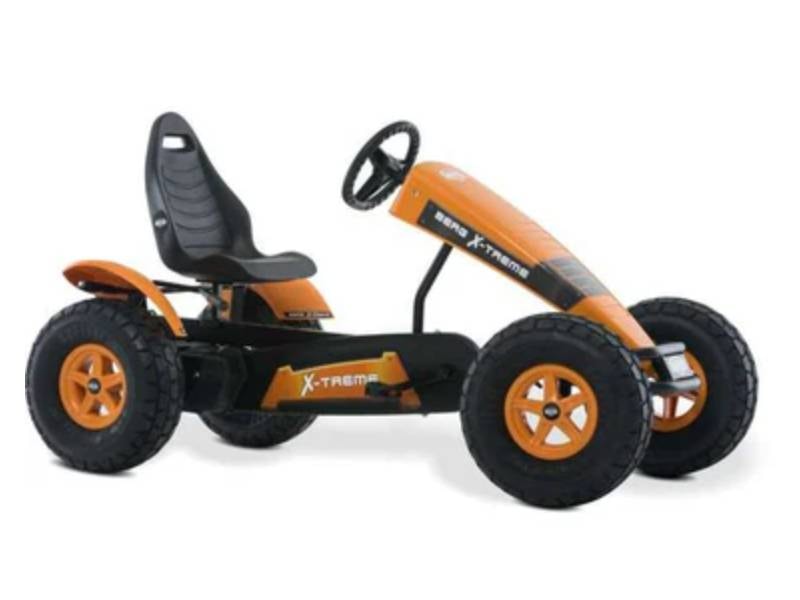
A pedal car that sits forgotten in the garage provides no benefits. These practical strategies help integrate pedal toys into daily life, maximise use, and maintain equipment for years of active play.
Encouraging Regular Use
Accessibility and routine strategies:
-
Keep pedal toys easily accessible—near the back door or in a shed children can open with supervision
-
Establish simple habits: “pedal lap before dinner” or weekend “pedal parades”
-
Join in by walking, jogging, or cycling alongside children
-
Vary the play with obstacle courses, time trials, “delivery routes,” or scavenger hunts
-
Invite friends or siblings to transform pedal sessions into social events
The key is reducing friction. When the toy car is visible and ready, children are far more likely to hop on spontaneously.
Integrating Pedal Play Into Learning and Routines
Pedal play can combine with informal learning without feeling like a lesson.
Ideas for educational integration:
Ride-on toys can be easily integrated into educational play, turning physical activity into meaningful learning experiences. Simple, play-based ideas include:
-
Counting laps – Encourages early numeracy skills by helping children practise counting in a fun and active way.
-
Timing rides with a stopwatch – Introduces basic concepts of time, speed and measurement through hands-on experience.
-
Simple map challenges – Support spatial reasoning and problem-solving skills, particularly for older children.
-
Themed play days (such as post office or construction) – Expand vocabulary and promote creativity through role play and imaginative scenarios.
-
Post-ride conversations – Help children process emotions, reflect on their experiences and develop language and communication skills.
Using pedal toys as part of daily transitions—a quick ride after school to decompress or a gentle cruise before bedtime—makes them part of natural routines. Side-by-side movement often makes children more talkative, creating opportunities for connection.
Avoid turning pedal sessions into chores or performance-driven activities. Follow the child’s interest, greatly enhance enjoyment, and let the fun way of learning happen naturally.
Maintaining and Storing Pedal Toys
Basic maintenance keeps pedal toys safe, functional, and appealing.
Maintenance schedule:
-
Every few weeks: Wipe down frames, seats, and pedals (especially after muddy or sandy play)
-
Monthly: Check tyre wear and inflation; tighten bolts; inspect for cracks or sharp edges
-
As needed: Lightly oil chains or moving parts according to manufacturer guidelines
-
Storage: Keep in dry, sheltered locations to prevent rust and sun damage
Involving older children in basic maintenance tasks teaches responsibility and care for shared belongings—another form of fostering imaginative play through real-world skills.
FAQs About Benefits of Pedal Toys for Kids
What age is best to start using pedal toys?
Most children are ready for simple pedal toys between about 2½ and 3½ years, once their legs are long enough to reach the pedals and they can push with some force. If your child’s developmental stage isn’t quite there yet, balance bikes or push ride ons serve as excellent precursors. Look for models designed specifically for this age group with low seats and easy-reach pedals.
Are pedal toys better than balance bikes for learning to ride?
They serve different purposes. Balance bikes focus on balance and steering without pedals, building the equilibrium skills needed for two-wheel cycling. Pedal toys build leg strength, boosting physical skills like coordination skills and an understanding of speed and braking. Many families use both at different stages rather than choosing only one—balance bikes around age 2–3, pedal toys through preschool, then transitioning to bikes with or without training wheels.
Do kids need to wear helmets on pedal toys?
Helmets are strongly recommended for outdoor pedal play, especially on driveways, sloped areas, or near cars and hard surfaces. Indoor use on flat, carpeted floors carries lower risk, but consistency—always wearing a helmet when riding—builds habits that carry forward to cycling and other wheeled activities. Add knee and elbow pads for children who are cautious or learning on harder surfaces.
How much space do we need for a pedal car or go-kart?
A small patio or short driveway provides enough room for basic laps and simple games. Larger go karts and faster riders benefit from longer, straight stretches or access to park paths. Before purchasing, measure the toy’s turning circle and compare to your available space. Many compact pedal cars work well in surprisingly small areas, while full-sized go karts need more room to shine.
How long will a pedal toy last before my child outgrows it?
Many pedal toys with adjustable seats or frames cover roughly a 3–4 year span—for example, from about age 3 to 6 or 4 to 8. Build quality, weight limits, and seat adjustability are the key factors in child’s growth accommodation. Investing in a slightly higher-quality model with sturdy frames and good adjustment range typically provides better value than replacing cheaper toys every year or two.

